
Agentic banking could unlock $23 trillion – is your bank ready to take advantage?
An estimated $23 trillion is trapped in zero- and low-interest...
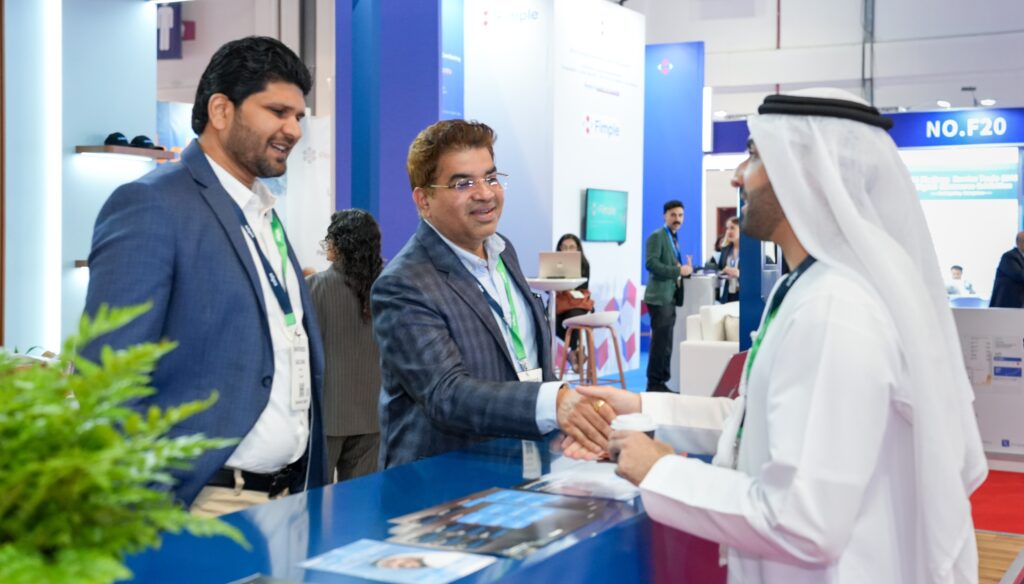
Some of the best conversations at Booth G60 this year came from companies with no legacy core at all. BNPL providers, POS lenders, installment platforms and greenfield banks all wanted to talk about what to build on from day one.
Rakesh Tadathilveedu, Regional Senior Solution Consultant at Tuum, spent three days on the floor at Seamless Dubai. We asked him what stood out.
One conversation at the Tuum booth kept coming back to me. We got talking about what Generation 2 core banking means for this region, and whether every new financial-services player needs to follow the traditional route of building around a legacy core.
That led to some really interesting discussions with BNPL providers, POS lenders, fintech installment platforms and greenfield banks. These businesses want to start on a modern, API-first foundation and add the capabilities they need as they grow.
The Middle East has a real opportunity to leapfrog traditional core banking and move straight to a more progressive model, particularly for the new generation of financial-services businesses being built here.
Banks came to Seamless this time around with their AI use cases already chosen. That surprised me.
For the last few years there was a real sense of FOMO, the feeling that “we need an AI initiative because everyone else has one.” This year the conversations were much more focused. Banks asked who could help them solve a specific problem, and what value they could actually measure from it.
I also saw strong demand for AI consulting and expertise. Many organizations know the problems they want to solve, but they don’t necessarily have these specialists in-house yet to turn those use cases into the right technology and measurable outcomes.
Banks are much more selective now about where they deploy AI and use it responsibly. They expect a measurable business outcome and a clear ROI.
Most banks in the Middle East know what they want to launch. The harder part is making sure today’s technology decision still supports the business in three to five years.
Islamic banking is a good example. Financial institutions and fintechs that have focused on conventional products now want to serve Islamic customers, and businesses with an Islamic proposition are looking at broader markets. That shift touches product structures, profit calculations, financing, compliance, the ledger and customer channels.
Then there are regulatory approvals, licensing and the time it takes to work through local requirements. All of that stretches the road from idea to launch.
So banks and fintechs want a long-term partner who understands the market and can help them evolve as they enter new segments, launch new propositions or expand into new markets. The question I hear most is simple: can you give us the flexibility to keep building on this platform for the next three to five years?
The ecosystem will start shaping the roadmap of banking.
Customers expect their bank to feel as easy as the e-commerce and fintech apps they already use. At the same time, fintechs are moving into traditional banking territory. BNPL providers, for example, are exploring ways to serve SMEs as well as retail consumers.
The lines between banks, fintechs, lenders and commerce platforms keep blurring. That leaves banking technology with one test: can it keep pace with where customers and businesses are going?
AI will still be part of the conversation. The bigger story quietly brewing this year was how banking connects and evolves with the wider ecosystem, and by Seamless 2027 I expect it to be a headline topic.
Every answer Rakesh gave came back to flexibility. Greenfield players want to launch fast without boxing themselves in. Established banks want to add Islamic products, AI use cases or new markets without a multi-year rebuild.
Tuum’s modular, API-first core supports both. New players can launch on it from day one. Established banks can run it alongside their legacy core and modernize one piece at a time.
Missed us at Seamless? Book a conversation with the team.


Whether you’re modernizing your core, launching new products, or exploring what’s next—we’re here to help. Get in touch to see how Tuum can support your vision.